Often found at a home sale
Attic Mold
Spots on the roof sheathing and rafters, cleaned and sealed, with the venting problem found.
- Roof sheathing
- Bath fan venting
- Insulation
Mold removal for Knoxville and East Tennessee homes
We find the water feeding the mold, seal the area off, take out what can't be saved and check the work before we leave.
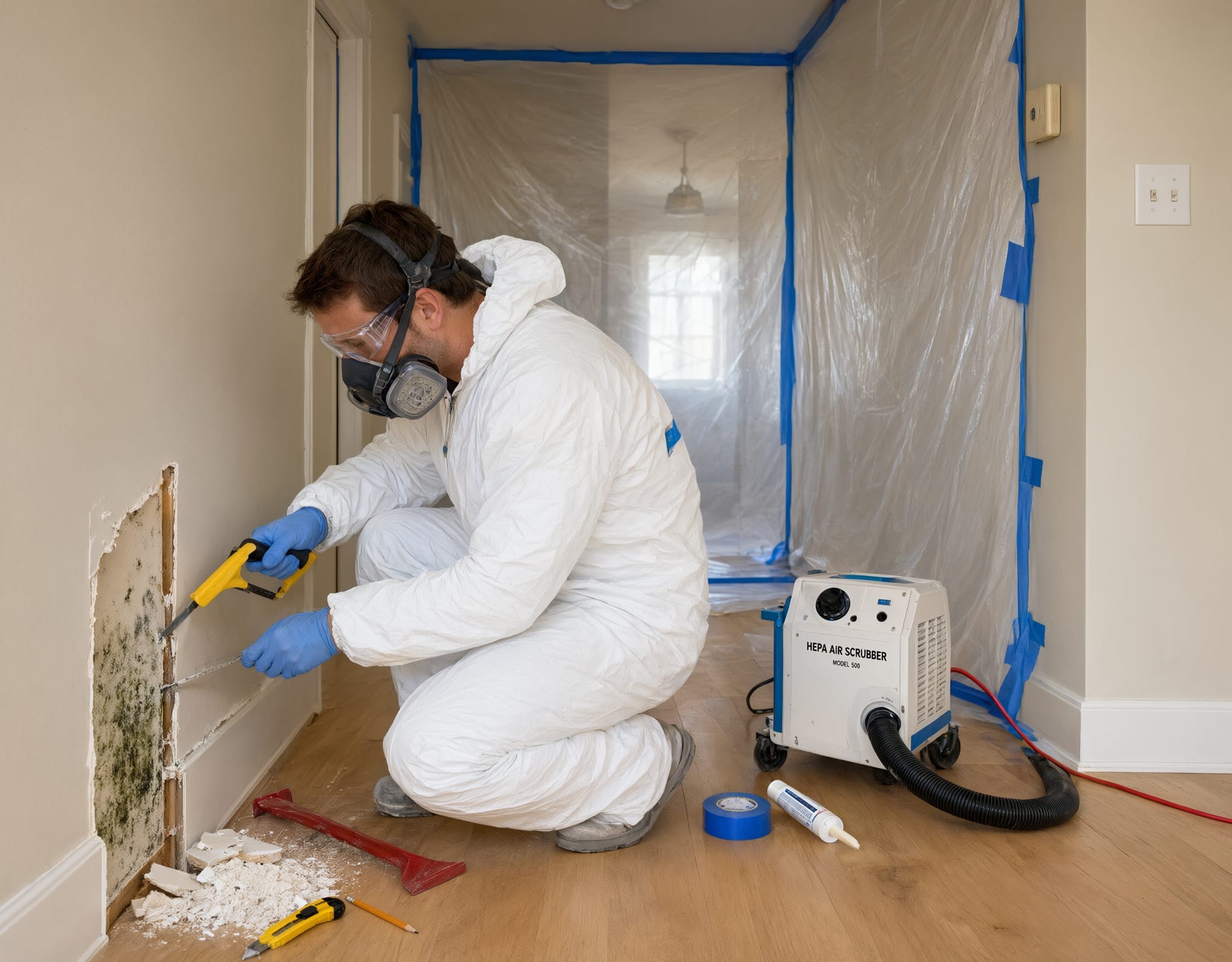
Knoxville Superior Mold Remediation does mold remediation in Knoxville the way the owner learned it under his first crawl space: find the water first. We clean mold off crawl space joists and attic boards and cut moldy drywall out of basements and bathrooms. We clean moldy ductwork vents too. Black mold removal and the mess a burst pipe leaves behind are on the list as well. Then we fix what fed it, because dry wood doesn't grow mold. That's most of the trick.
We're a family crew of four with more than 30 years under East Tennessee houses, and the owner still goes under the house himself. Every job gets plastic containment and HEPA air scrubbers, plus a post-remediation evaluation before we call it done. You get a written moisture log with the reading at every spot we tested, before and after. Honestly, we'd rather tell you a small patch is a weekend job for you than sell you a cleanup you don't need.
"Nine times out of ten the mold isn't the problem. It's the receipt for a water problem nobody fixed."
The owner, after 30+ years of crawl spaces
Mold grows wherever water sits still long enough. After 30 years of Knoxville houses, we could almost draw you the map: under the floor first, then over the bath fans, then the basement corner nearest the downspout.
Most Knoxville ranch homes sit on a vented crawl space, and in August the air under the house is as muggy as the air outside, about 76% humidity on average. That damp air settles on cool floor joists and the subfloor, the boards under your floor, and white or black spots follow. We clean and treat the wood, then fix the moisture. More on crawl space mold.
Attic mold shows up as gray or black spots on the roof sheathing, the boards your roof sits on. Nine attics out of ten, we find a bath fan blowing into the attic or soffit vents buried under insulation. We clean the wood, pull soaked insulation and show you the airflow fix. Attic mold removal.
Knoxville gets just under 52 inches of rain a year, and our red clay holds it against the foundation. Basements take it in through block walls and the floor edge. We cut out moldy drywall and carpet pad, dry the space and can add an interior drain so it stays dry. Basement mold removal.
People say black mold and mean any dark mold. Often it's Stachybotrys chartarum, growing on wallboard that stayed wet. Color won't tell you the species, and honestly it doesn't change the job. We treat dark mold the same careful way as any other: containment first, moldy material out, the area cleaned, dried and checked.
Mildew on grout and caulk wipes off, and we'll tell you so. Mold that keeps coming back on the ceiling or behind the tub surround is a different animal. It usually means a slow leak or a fan that isn't moving air outside. We find which, remove the damaged material and treat what stays.
Drywall's paper backing is food for mold, so a stain the size of your hand on the front can hide a patch the size of a door behind it. We open the wall, check the studs with a moisture meter and cut back to clean, dry board. Bleach on drywall is mowing dandelions: fine on Saturday, back by Thursday.
Ceiling spots come from a roof leak, a sweating duct or a bathroom with no vent. We look above the ceiling before we touch the stain. Paint over it and you'll see it again by next summer.
Ducts and air handlers sweat in a Tennessee summer, especially when they run through a hot crawl space or attic. The owner started out in heating and air work, so this is where he looks first. We clean and treat moldy vents and duct runs that are part of a mold job, and tell you when a duct needs your HVAC company to replace it.
Closets on outside walls stay cool and still, so humidity collects there first: on shoes, the back wall and the baseboard. We clean and treat the space and help you get humidity under 60%, where the EPA says it should be.
Mold on window sills comes from condensation, the sweat on cold glass. A few spots on a painted sill are usually a cleaning job you can do yourself. When the wood under the sill feels soft or the wall below it is stained, we open it up and look.
A slow drip under a sink or behind a washer can run for months before anyone notices. We check the cabinet floor and the wall behind it, take out what's wet and moldy, and dry it so the new panel goes on clean wood.
Mobile and manufactured homes sit close to the ground with thin floors and a belly wrap underneath, so moisture gets trapped fast. We've treated plenty of them. We check under the floor and price it to the job, not the size of the house.
Five jobs make up most of our work. Each one has its own page with prices, the steps and the questions people ask us.
Often found at a home sale
Spots on the roof sheathing and rafters, cleaned and sealed, with the venting problem found.
Removal plus waterproofing
Mold on basement walls, drywall and carpet removed, with an interior drain to keep water out.
Lifetime transferable guarantee
A sealed liner, closed vents and a dehumidifier that keep the crawl space dry year round.
Our most common job
Mold on the joists, subfloor and sill plate under your house, cleaned, treated and kept dry.
The visual inspection is free
Moisture mapping, thermal imaging and lab air samples when you smell mold but can't see it.
These jobs sit right next to mold removal, and most start with the same question: where's the water coming from?
After a burst pipe or a water heater that let go, the EPA says to dry wet materials within 24 to 48 hours. That clock matters. We pull the water out, dry the space with dehumidifiers and moisture mapping, and remove anything that already started to grow mold.
Encapsulation turns the crawl space into a sealed, dry room: heavy liner on the floor and walls, vents closed, a dehumidifier holding the air steady. A cooler with the lid shut, basically. It carries a transferable lifetime guarantee. Crawl space encapsulation.
HEPA air scrubbers run during and after the job to pull spores out of the air and through a very fine filter. When a space needs more, we fog it with an EPA-registered disinfectant that reaches the corners, the ductwork openings and the backs of shelves a cloth never touches.
When you smell mold and can't find it, an inspection with moisture readings and, when needed, air samples tells you where it is. Mold inspection and testing.
When a basement takes water every time it rains, cleaning the mold is only half the job. An interior French drain runs in a trench along the floor edge and carries the water to a sump pump. Weep holes drilled in the block walls let trapped water out to it.
If a buyer's inspector finds mold two weeks before closing, the closing date doesn't care. We work to closing dates: we can often come out the next day, do the work in a day or two when the job allows, and give you a written summary to hand the buyer.
Homes are most of our work. We also take on smaller commercial buildings where the job looks like a house job: a crawl space under an office, a wet back room, a rental between tenants.
Offices get mold from roof leaks, stained ceiling tiles and HVAC lines that sweat. We'll work early or after hours and keep containment tight so the office can open as usual.
Landlords and property managers usually call us between tenants, or the day a tenant mentions a musty smell. We photograph what we find and log the moisture readings, which makes the paperwork with an owner or an insurer a lot shorter.
Walk-in coolers, mop sinks and back rooms stay damp. We fit the work around your hours and keep it inside containment.
Before a lease or a purchase, a mold inspection gives you moisture readings and photos of the problem areas so you know what you're taking on.
Three jobs from this past year. We do about 150 mold jobs a year, most of them under the house, and these three are pretty typical.
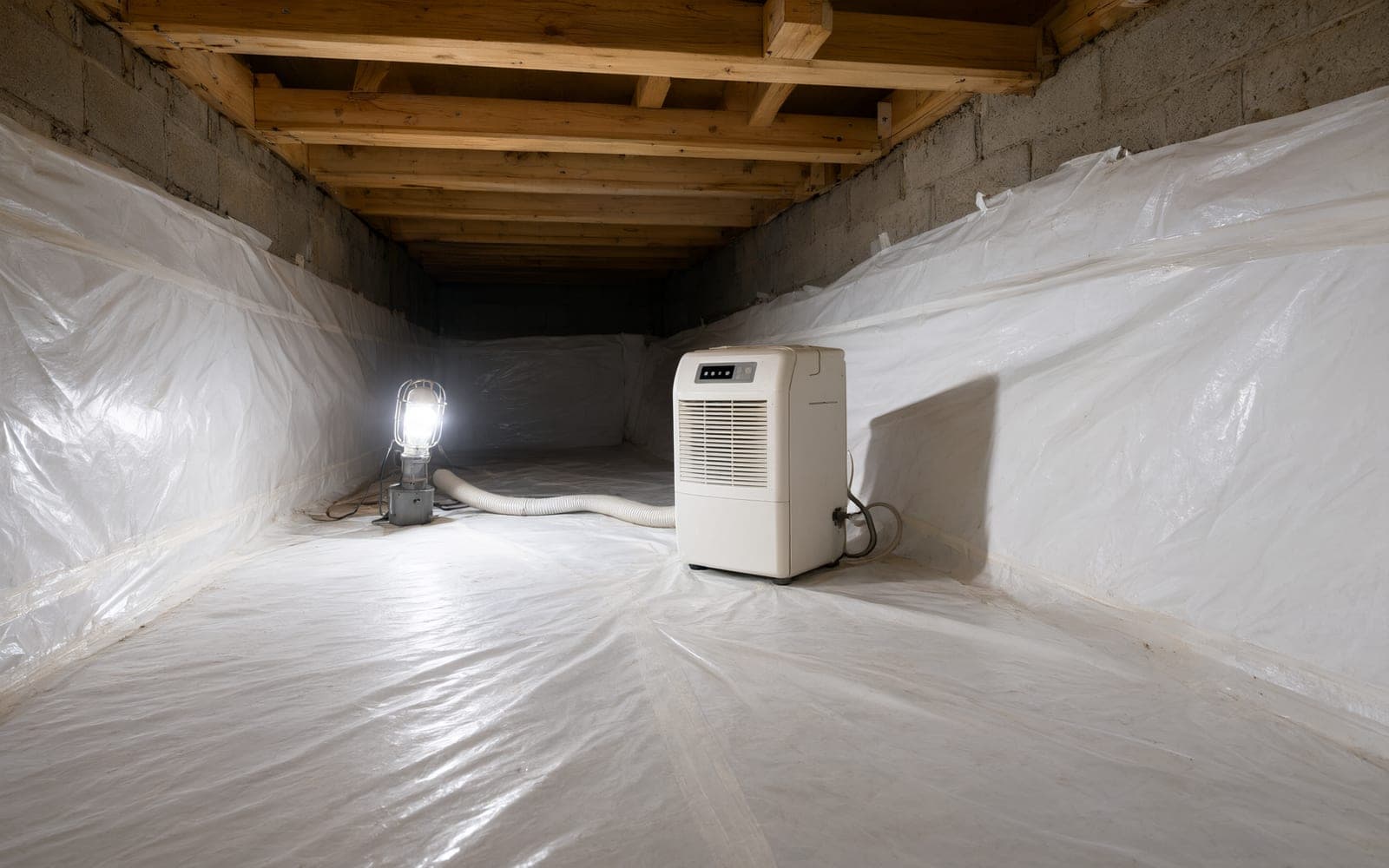
Mold on nearly every floor joist and along the sill plate, and an old vapor barrier in shreds. The foundation vents were pulling in August air all summer. We cleaned and treated the wood, then encapsulated: new liner, sealed vents, a crawl space dehumidifier. The musty smell in the hall went with it.
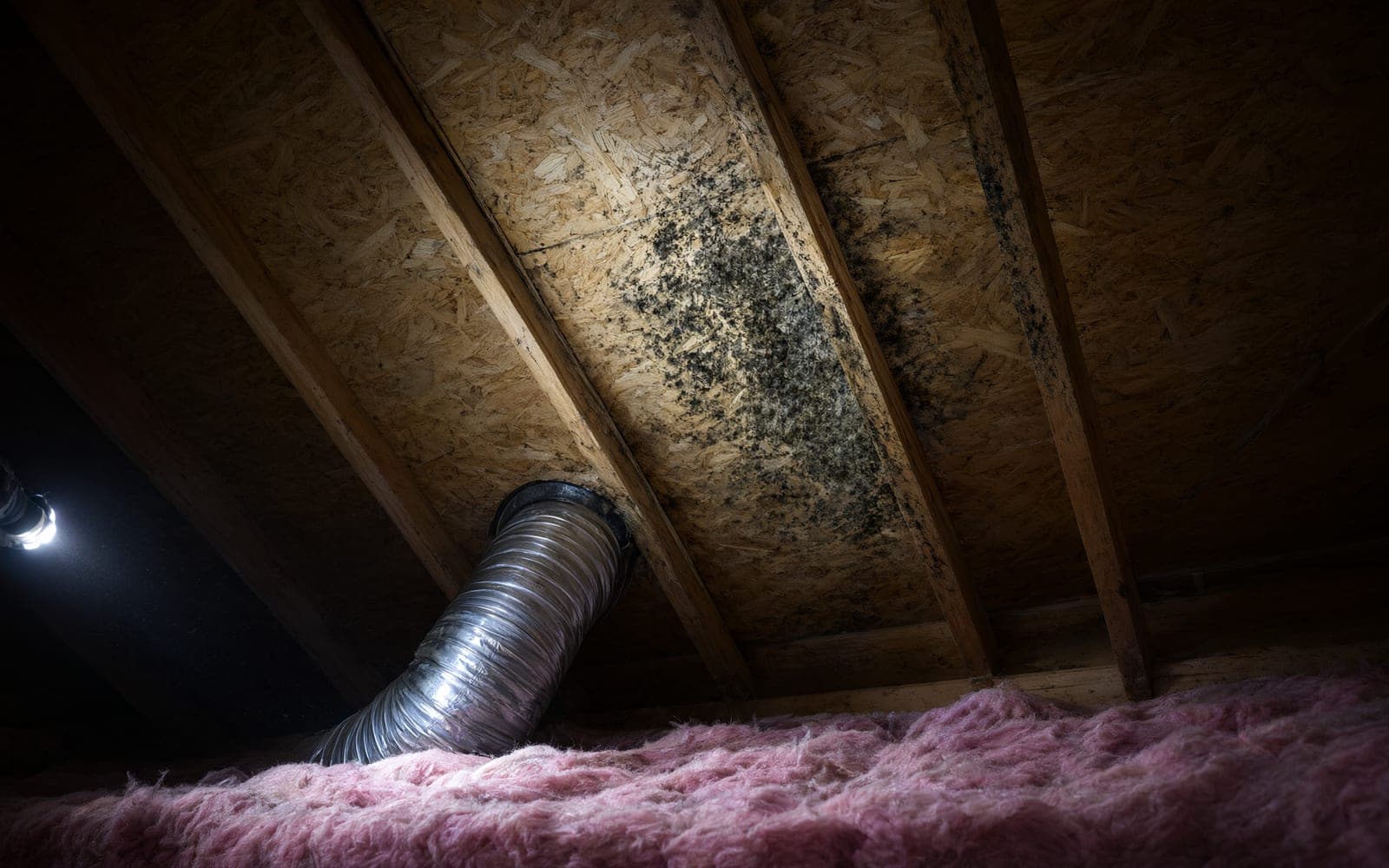
Two bathroom fans were blowing straight into the attic instead of out through the roof, and the roof sheathing above each one had a dark patch. The homeowner's HVAC tech re-routed the fans. We cleaned the boards, treated them and sealed them. Two days, done.
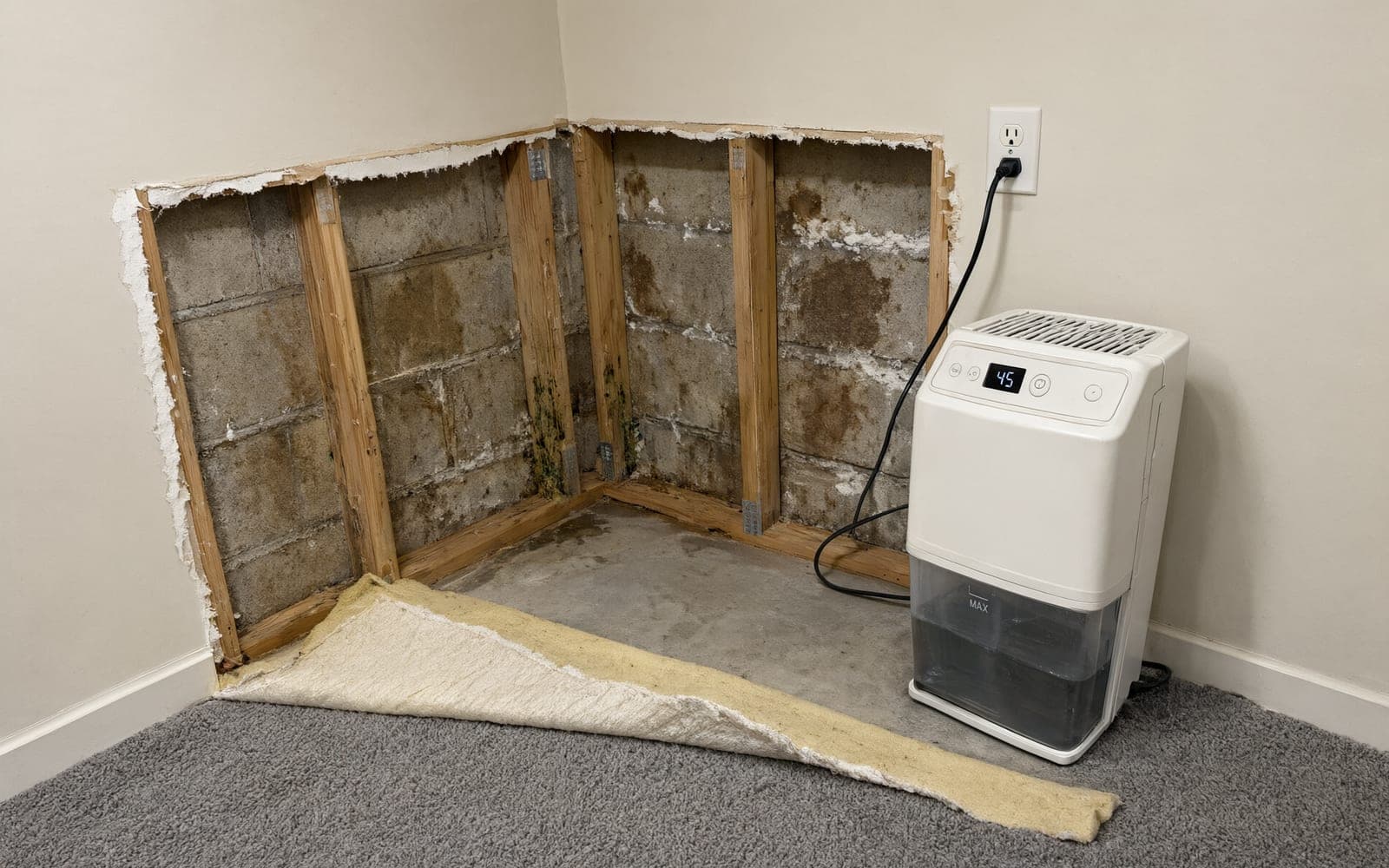
A clogged gutter sent a whole storm down one corner of the foundation and into a finished basement. We cut out 8 feet of wet drywall and the carpet pad, dried the corner for two days and treated the framing. Then we showed the owner the gutter. Cheapest fix on the job.
Start to finish, here's what mold removal in Knoxville, TN looks like with us. We won't start the cleanup until the leak is fixed or on the schedule.
Free inspection
We look at the mold, take moisture readings and find the water. We text you photos from under the house so you see what we see.
Written quote
A written price that lists what comes out, what gets treated and what we think caused it. No deposit to get a price.
Containment
Plastic walls around the work area and a HEPA air scrubber pulling air into it. Think painting with the tape on: ten minutes of setup that saves the rest of the house.
Removal and cleaning
Moldy drywall and insulation come out in bags. Wood gets a HEPA vacuum first. Then RMR-86 lifts the stains. RMR-141, a cleaner with no bleach in it, treats the wood after.
Air treatment
HEPA air scrubbers keep running, and when the job calls for it we fog the space with an EPA-registered disinfectant.
Final check
A post-remediation evaluation and new readings. You keep the moisture log, before and after.
Containment on every job
Plastic walls, HEPA air scrubbers, a final check
Mold remediation in Knoxville usually costs $1,200 to $3,000 for one room and $720 to $1,320 for a small patch under 10 square feet, according to MoldGuide's 2026 Knoxville figures. Crawl spaces run $1,500 to $4,000 and full attics or basements can reach $15,000. Opening walls and fixing the moisture add to the price.
| Job | Typical price | Source |
|---|---|---|
| Small area, under 10 sq ft | $720 to $1,320 | MoldGuide Knoxville, 2026 |
| One room, 10 to 30 sq ft | $1,200 to $3,000 | MoldGuide Knoxville, 2026 |
| Bathroom mold removal | $500 to $2,000 | HomeGuide, 2026 |
| Crawl space mold removal | $1,500 to $4,000 | HomeGuide, 2026 |
| Attic or basement, partial | $1,500 to $6,000 | HomeGuide, 2026 |
| HVAC system and ducts | $2,000 to $10,000 | HomeGuide, 2026 |
| Crawl space encapsulation | $3,000 to $15,000 | HomeGuide, 2026 |
| Mold inspection | $300 to $650 | HomeGuide, 2026 |
Here's the honest version: those are published ranges, there so you can tell a fair quote from a silly one when you compare mold companies in Knoxville. We've seen two quotes for the same crawl space land $6,000 apart. Your written quote lists every line.
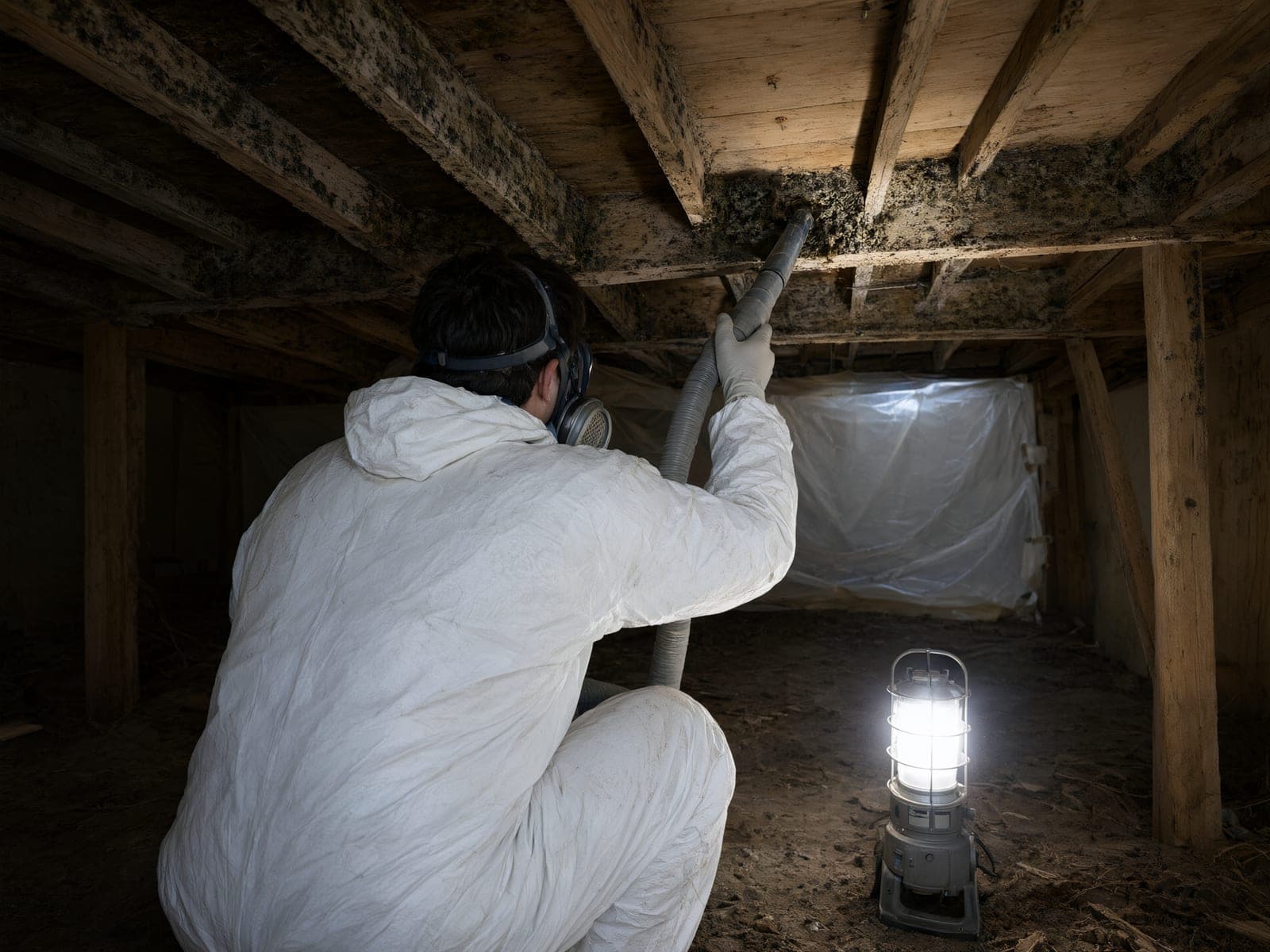
More than 30 years under and inside East Tennessee houses: 1920s bungalows, 1960s ranches, 1990s two-stories in Farragut. We've worked in more than 2,000 crawl spaces, so very little under a Knoxville house surprises us anymore.
Find the water first. A leak, a bath fan, a downspout, a vent pulling in August air. If we can't name the source, we keep looking before anything gets cleaned, because mold with water comes back.
Plastic walls and negative air pressure keep spores in the work area, and HEPA air scrubbers run until the end. Containment is ten minutes of setup that protects every room we're not working in.
Four of us, owner included. The person who inspects your crawl space is often the person who cleans it, and nobody on your job is a subcontractor we met last week.
Our crawl space encapsulation carries a transferable lifetime guarantee, so it moves to the next owner if you sell. Buyers' inspectors like seeing that in writing.
Brenda K.
September 2026Our crawl space had mold on every joist and the old plastic was shredded. They cleaned it, sealed it and put in a dehumidifier. The musty smell in the hall is gone.
Mike R.
August 2026Black spots in the attic over both bathrooms. They showed us the fans were venting into the attic and were done in two days. Fair price, no pressure.
Tasha W.
July 2026Our buyer's inspector found mold in the crawl space two weeks before closing. They came out the next day and finished in two days with a written report for the buyer. We closed on time.
Gary H.
June 2026Basement corner had mold behind the drywall after a gutter overflowed. They cut it out, dried it and treated it. Rain slowed things a day, but they kept us posted.
Rhonda M.
May 2026They treated our mobile home and checked underneath the floor. Honest about what needed doing, and the price fit our budget.
Steve L.
April 2026Smelled mold in the guest room but couldn't see anything. They found a wet wall behind the dresser from a leaking supply line. Scheduling took a few days in spring.
Knoxville Superior Mold Remediation provides mold remediation in Knoxville, TN and serves homeowners and businesses in surrounding East Tennessee towns, including Maryville, Alcoa, Oak Ridge, Farragut, Powell, Lenoir City, Clinton, Seymour, Sevierville and Pigeon Forge, plus Gatlinburg, Halls Crossroads, Karns, Hardin Valley, Louisville, Strawberry Plains, Kingston and Loudon.
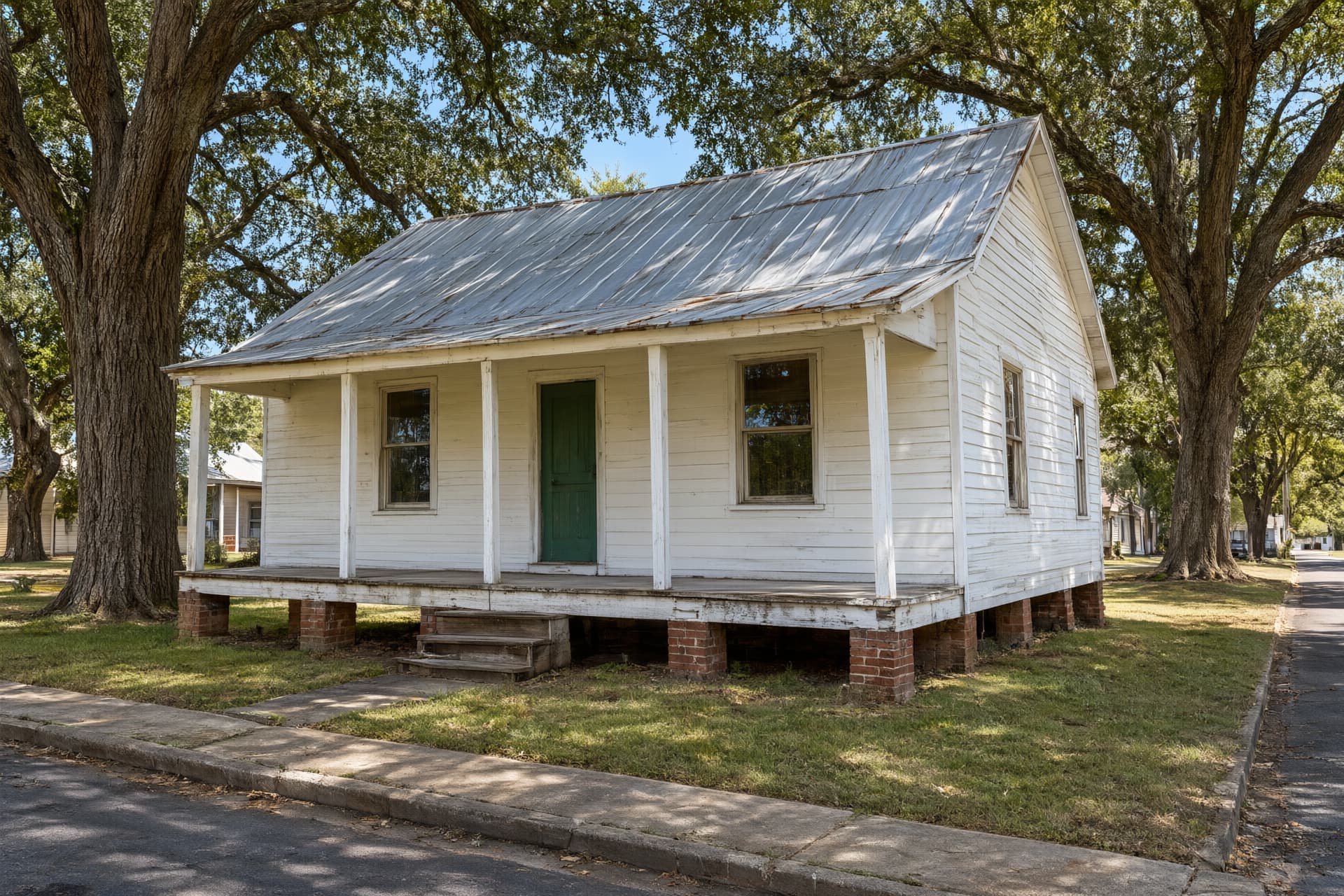
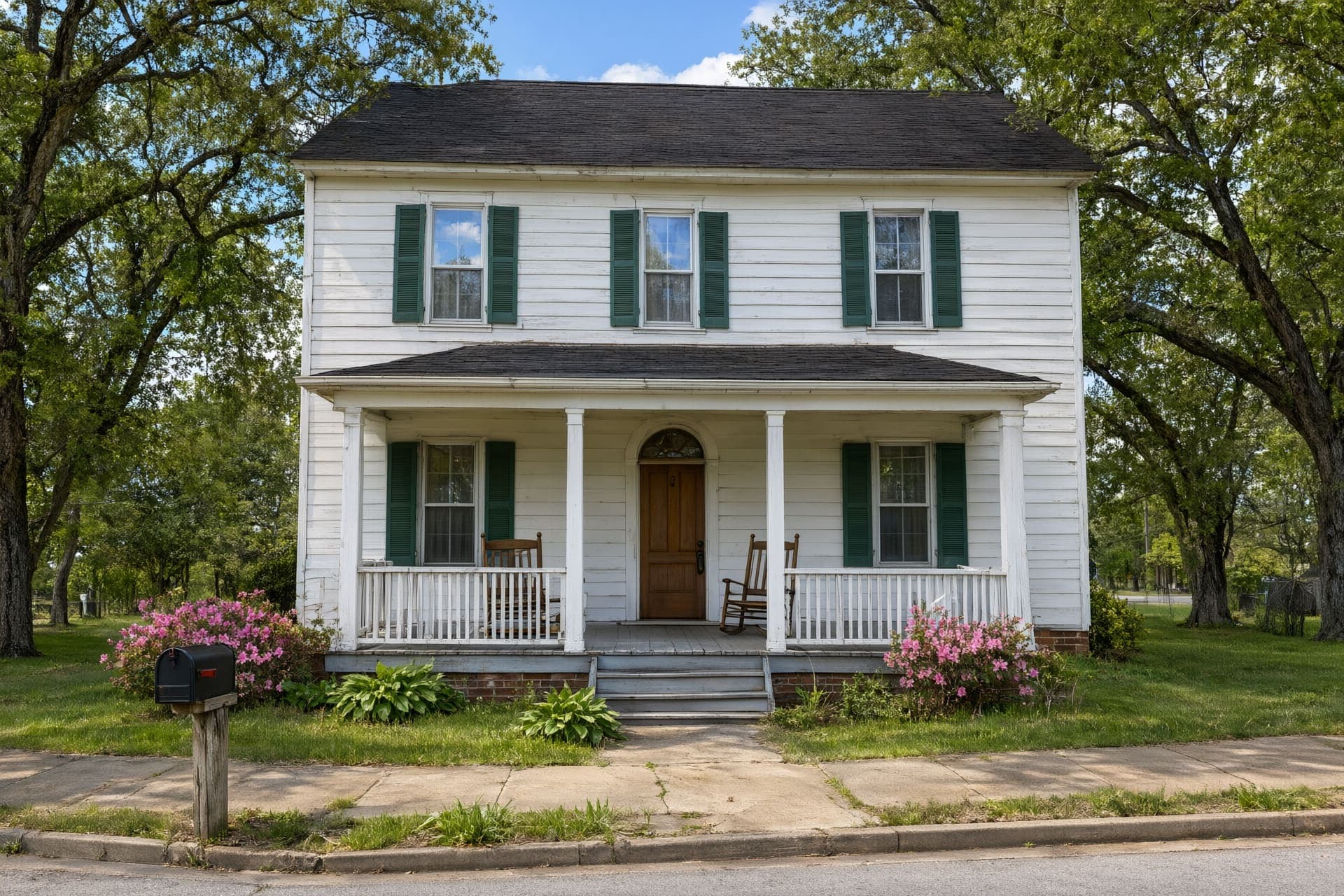
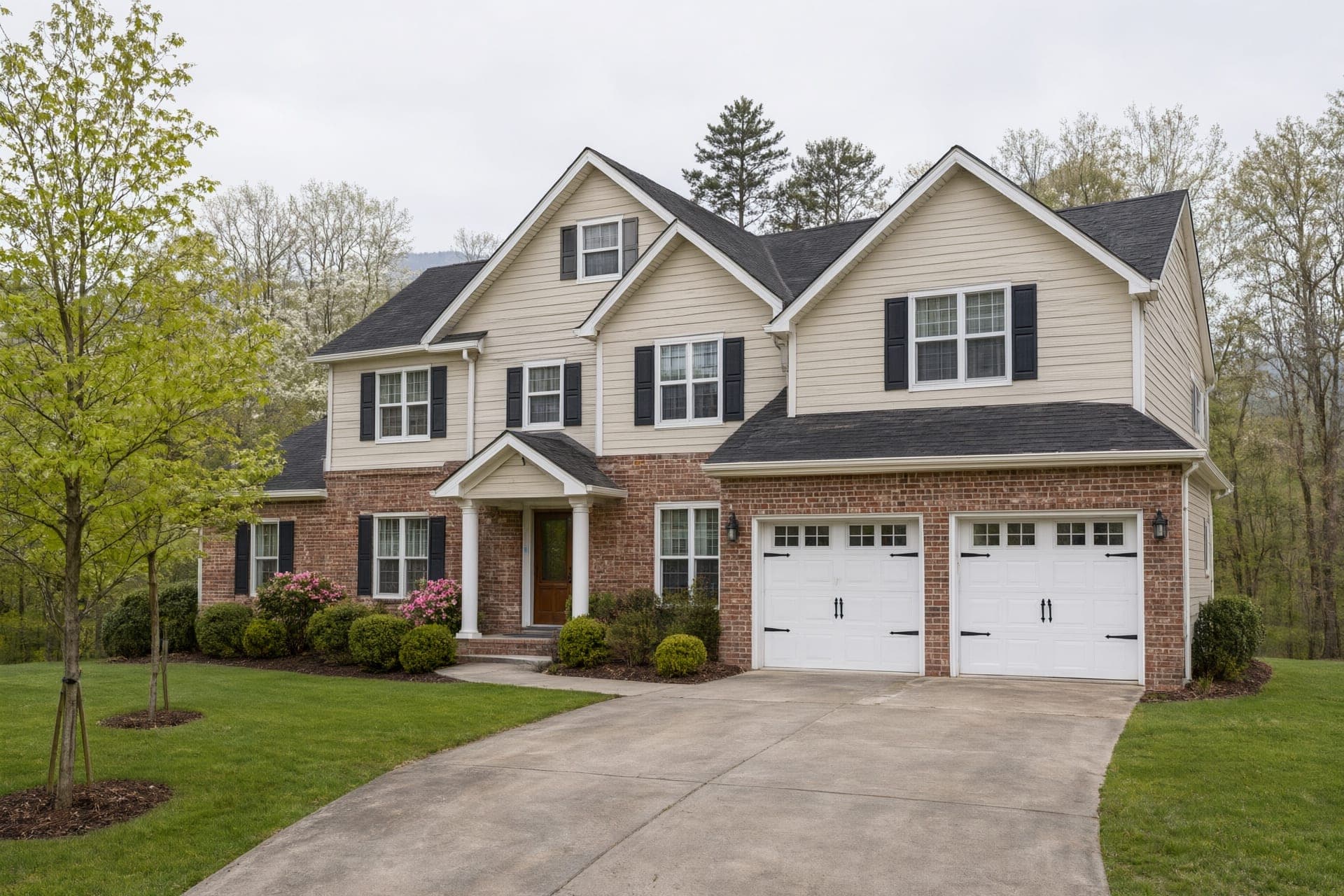
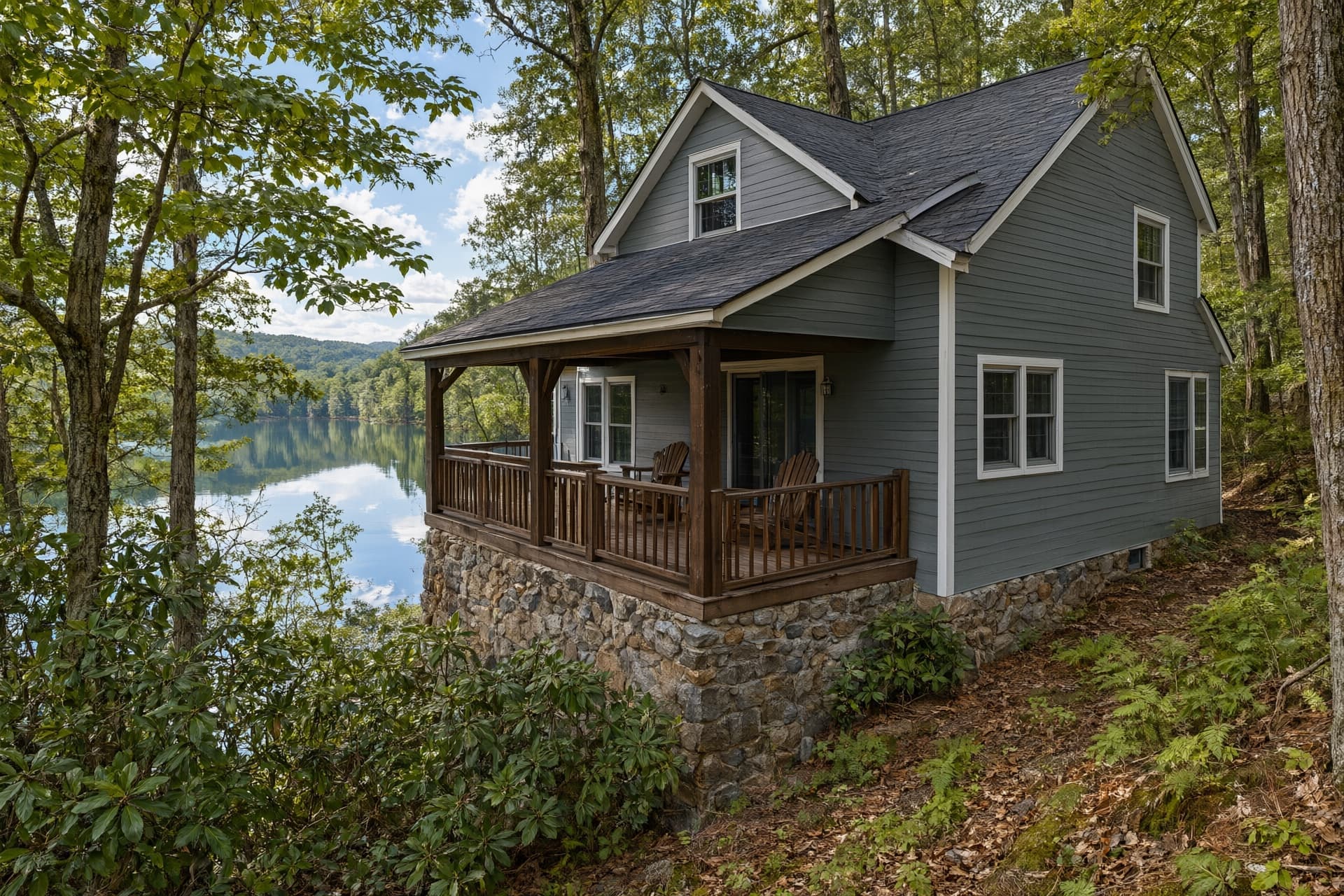
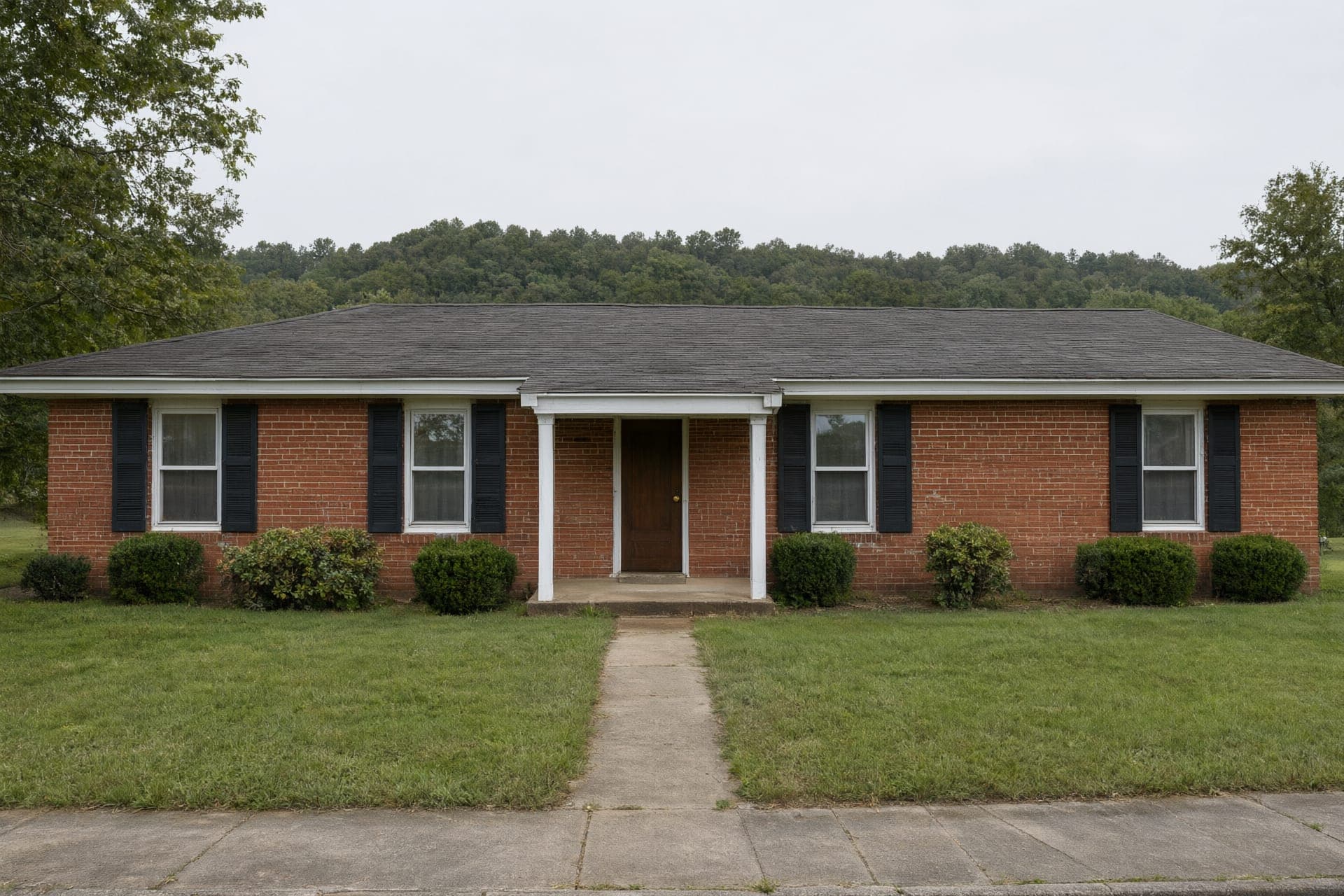
Older homes near Broadway, crawl space ranches and hillside basements.
Mold remediation in Maryville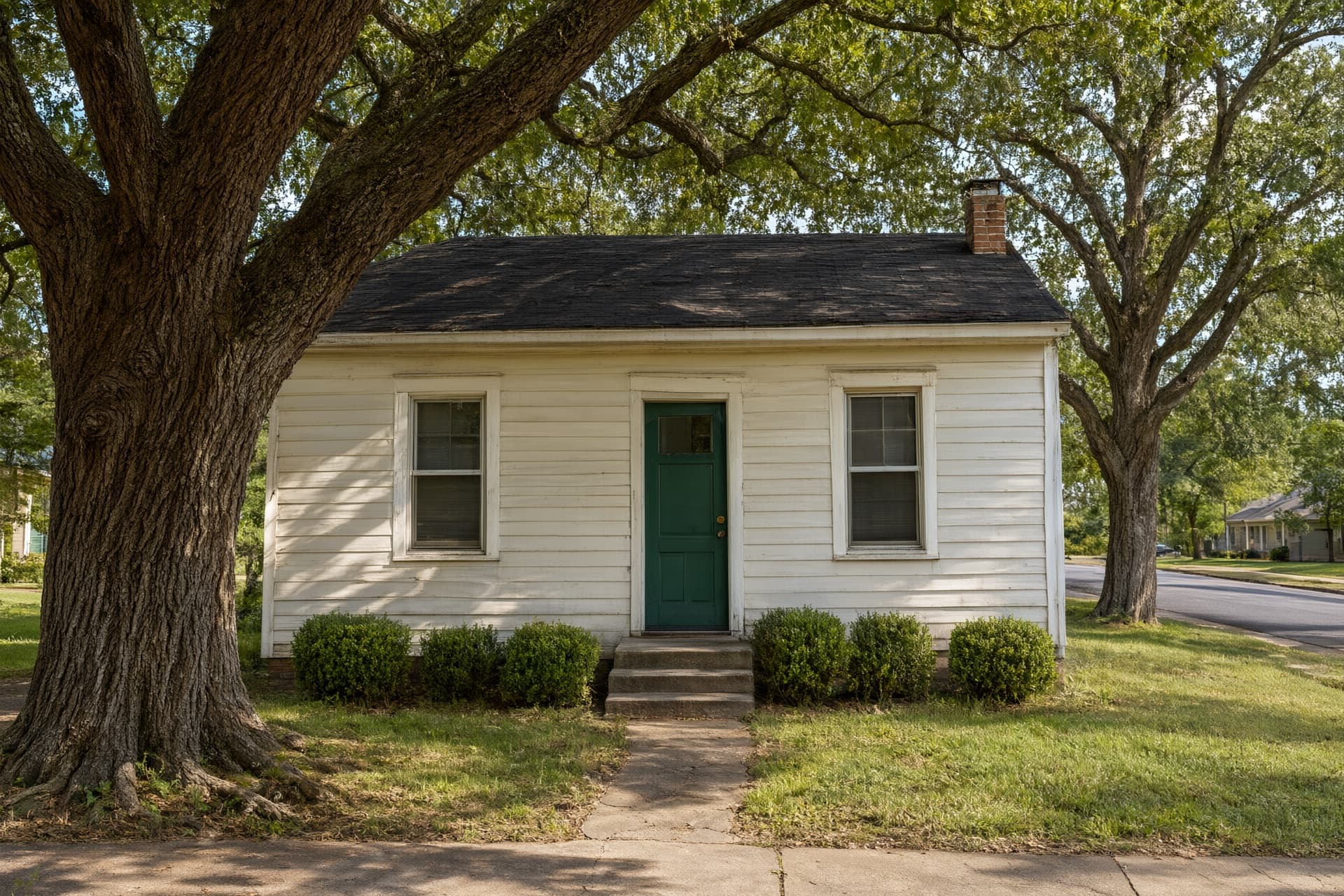
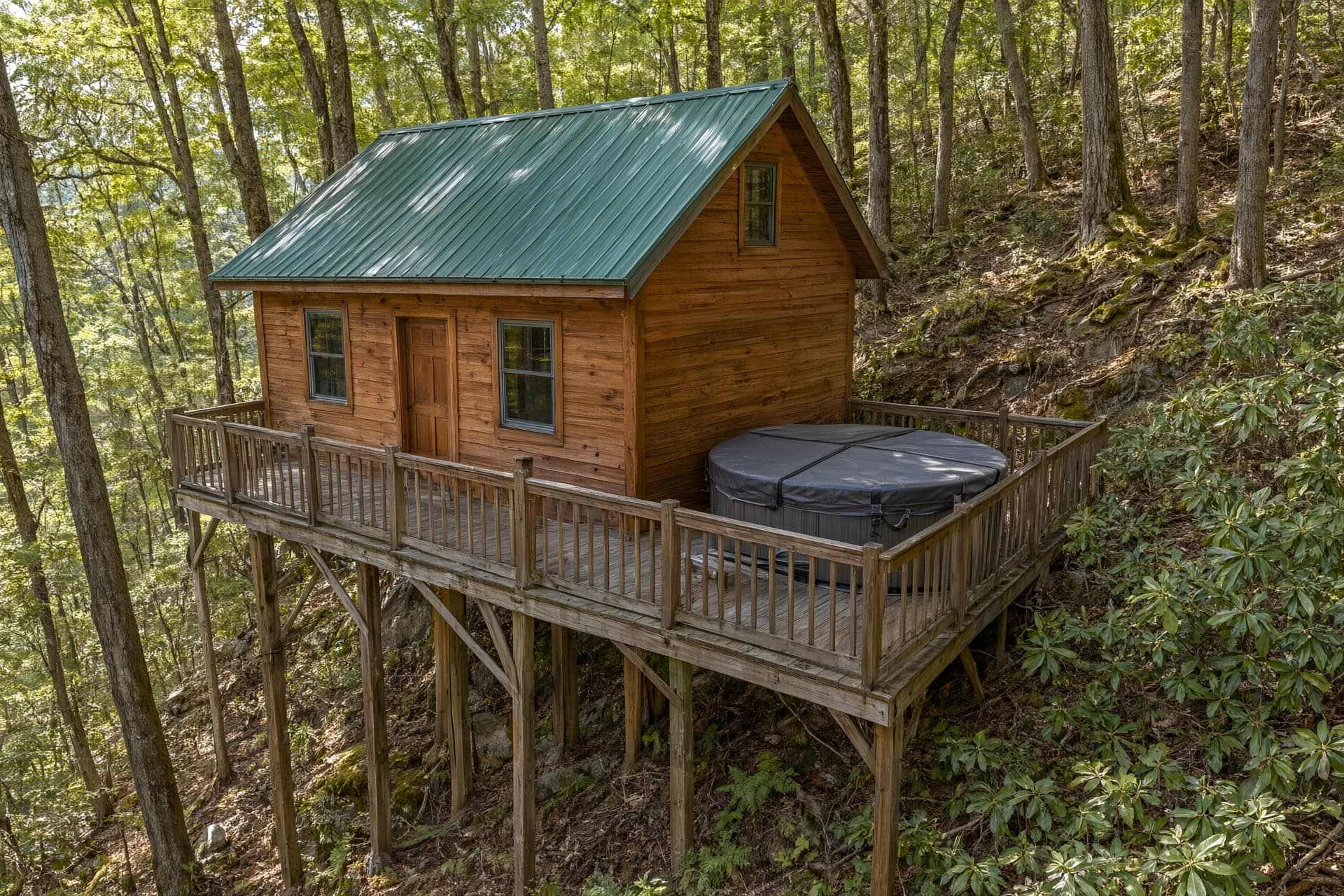
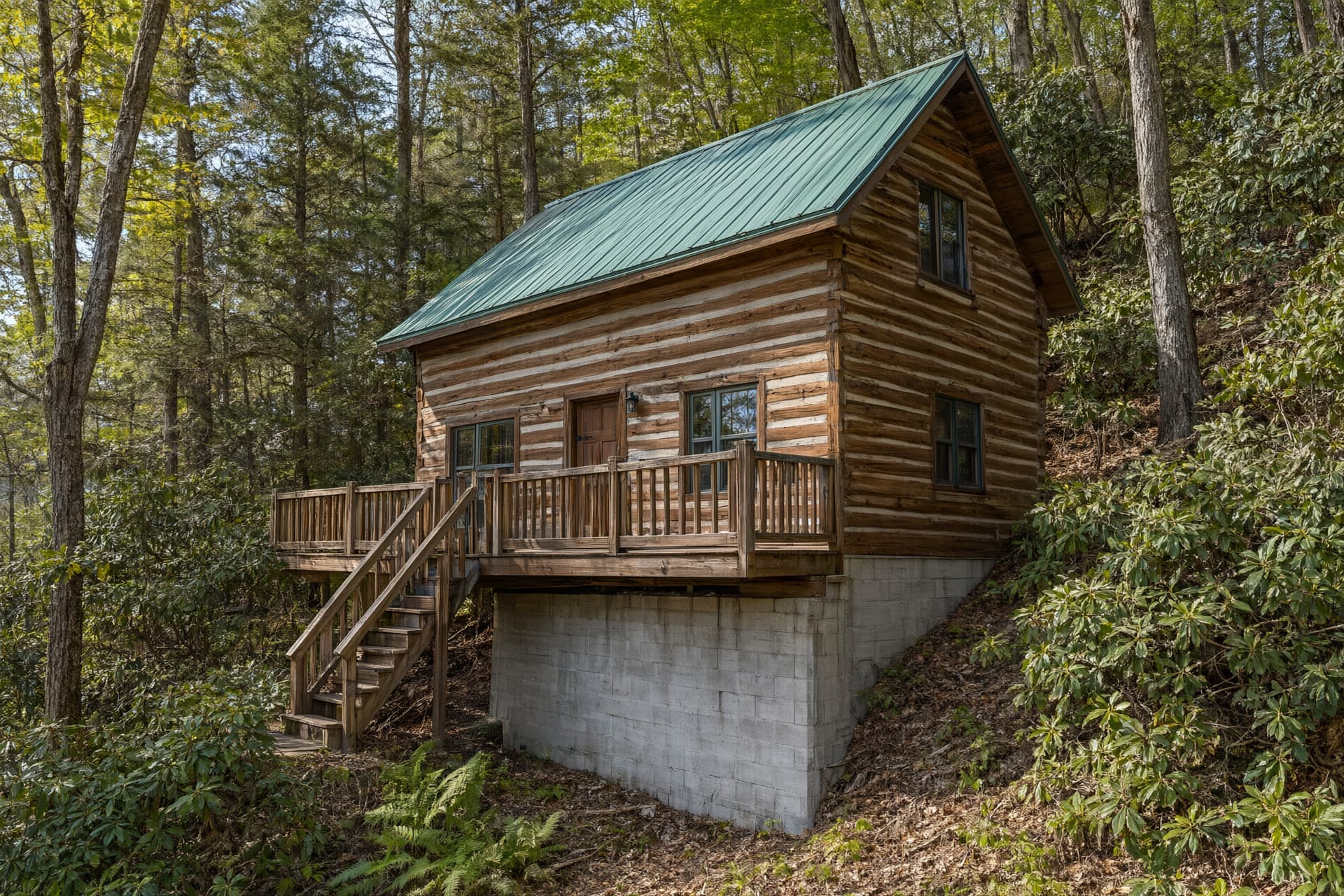
Rental cabins on the ridges and homes along the river valley.
Mold remediation in Pigeon Forge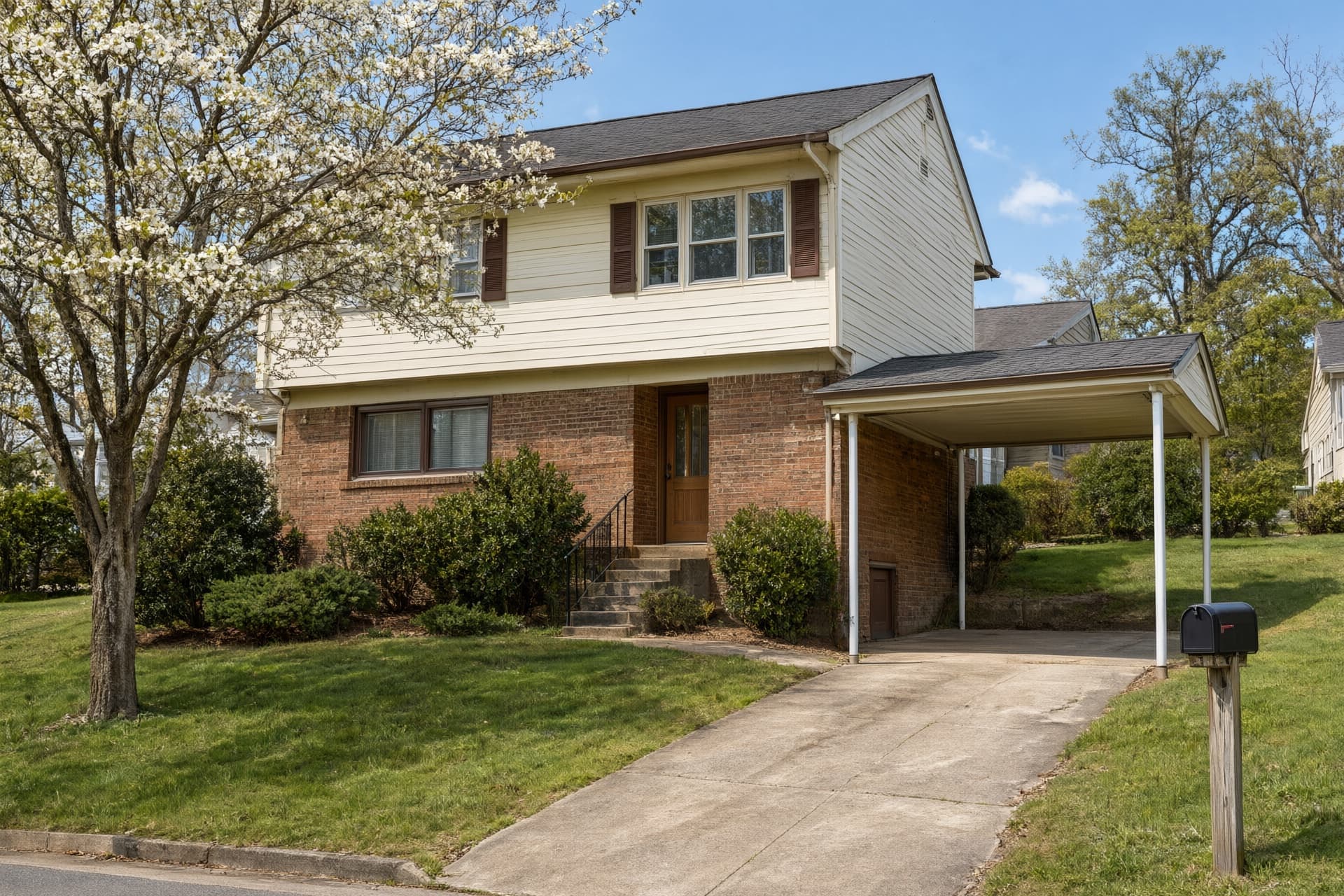
In-town homes by the river, new subdivisions and hillside cabins.
Mold remediation in Sevierville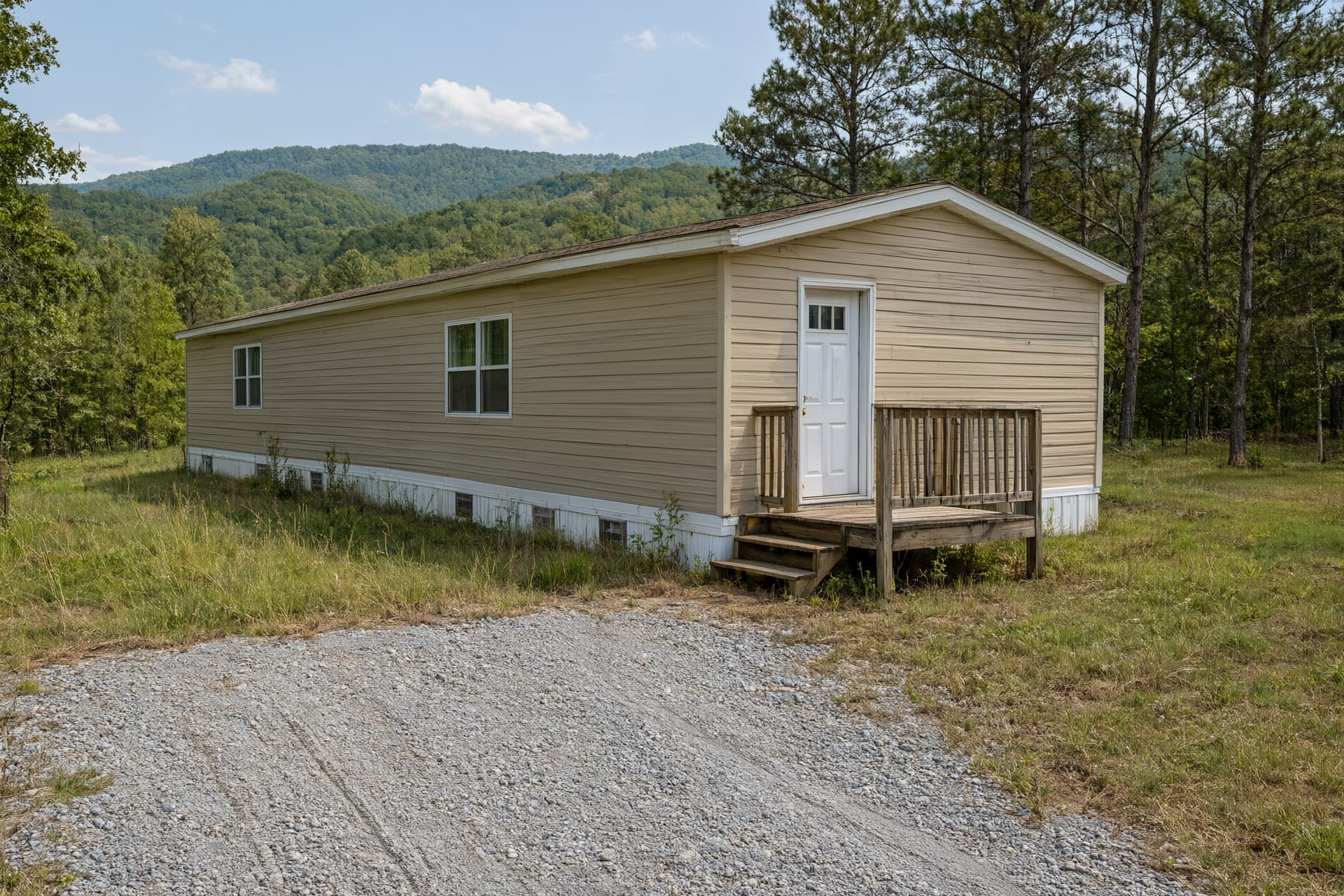
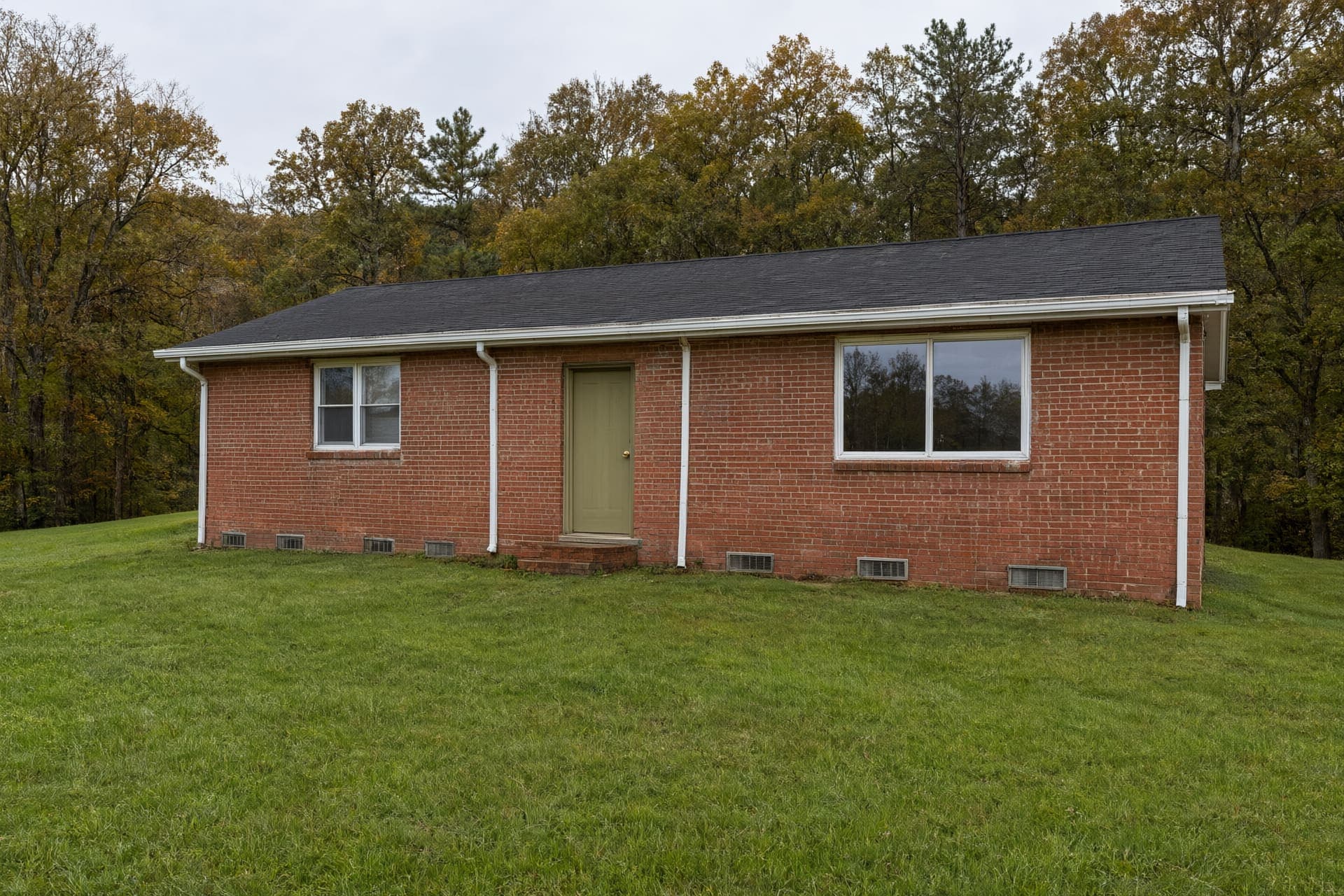
Newer subdivisions, manufactured homes and old farmhouses on crawl spaces.
Mold remediation in SeymourSend a photo of the spot and tell us how old the house is. If it looks like mildew on grout, we'll tell you how to clean it yourself.
Most mold remediation jobs in Knoxville cost $1,200 to $3,000 for one room, and small patches under 10 square feet run $720 to $1,320, based on 2026 local figures. Crawl spaces usually cost $1,500 to $4,000. Whole attics, whole basements and encapsulation cost more. We give you a written quote after a free inspection.
Insurance usually covers mold only when it comes from a sudden, covered event like a burst pipe or a water heater that failed. Mold from long-term humidity, a slow leak or poor drainage is usually excluded. Your policy and your adjuster decide. We give you photos and moisture readings for the claim.
Most mold jobs in a single room or a crawl space take one to three days. A small bathroom or closet can be done in a day. Encapsulation adds a day or two. Drying after water damage can add three to five days before the cleanup starts, because wet wood has to dry first.
The EPA says patches smaller than about 10 square feet, roughly 3 feet by 3 feet, can usually be cleaned by a homeowner. Wear gloves, goggles and an N-95 respirator, scrub hard surfaces with detergent and water, and throw out moldy porous materials. Bigger areas, hidden mold and mold after flooding are jobs for a pro.
You can't tell a mold's species by its color, and dark mold isn't always Stachybotrys. It doesn't change how the job is done. Any mold growing on building materials gets removed the same way: containment, removal of what can't be cleaned, cleaning and drying. A lab test is the only way to name the species.
Usually not. If you can see the mold, testing rarely changes the plan and costs $100 to $300 per sample. Testing helps when you smell mold but can't find it, when someone wants a lab name for it, or after the work to show the area is clean.
Mold comes back when the moisture comes back. If the leak is fixed and indoor humidity stays below 60 percent, as the EPA recommends, a cleaned area stays clean. That's why we find the water source first and recommend a dehumidifier, a vapor barrier or a drain when the space needs one.
Vented crawl spaces let humid summer air in, and Knoxville averages about 76 percent humidity in August. That moisture condenses on cool floor joists and the subfloor. Bare dirt floors, torn vapor barriers and poor yard drainage add more water. The fix is a dry crawl space: a sealed liner and a dehumidifier.
Usually not. Containment seals off the work area, and a HEPA air scrubber keeps air flowing into it, never out. For a crawl space or attic job you can stay home and go about your day. For large jobs inside living areas we may ask you to keep out of a room or two for a day or two.
Tell us where you see it or smell it and roughly how old the house is. We find the water first, then give you a written quote.
Or call (865) 321-4111